"Escape the Everyday From Stress"

Complete Guide to Deep Tissue Massage and Its Benefits
Explore the complete guide to deep tissue massage. Learn benefits, techniques, what to expect, and how it helps relieve pain, improve mobility, and reduce stress.
5/6/20262 min read
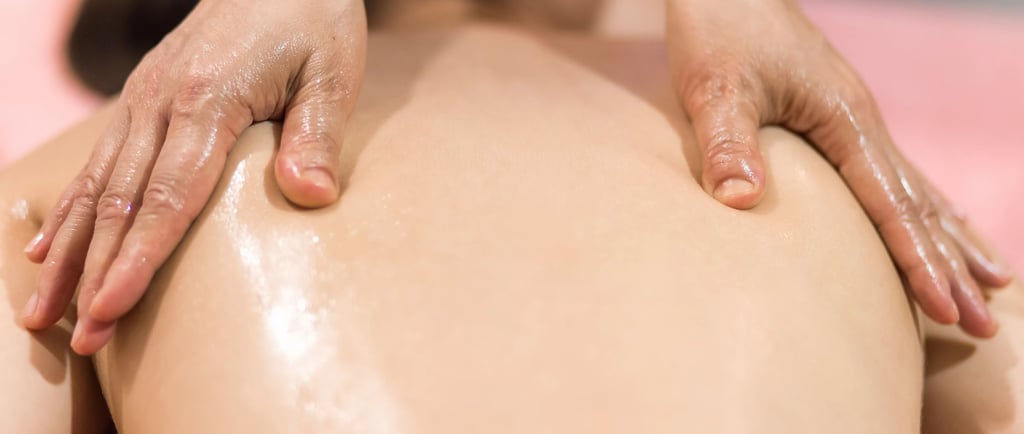
Deep tissue massage is a powerful therapy designed to relieve chronic muscle tension, improve mobility, and support overall wellness. Unlike gentle relaxation massages, it focuses on deeper layers of muscles and connective tissues using slow, firm pressure. Whether you're dealing with persistent pain or simply want a more targeted treatment, this guide will help you understand everything you need to know.
What Is Deep Tissue Massage?
Deep tissue massage is a therapeutic technique that targets deeper muscle layers and fascia (connective tissue). It uses slow strokes and sustained pressure to release tension, break down muscle knots, and improve flexibility.
This type of massage is especially beneficial for people with chronic pain, stiffness, or physically demanding lifestyles.
How Deep Tissue Massage Works
The therapist applies firm pressure and controlled movements to reach deeper muscle layers. These techniques help:
Release tight muscles
Break down adhesions (muscle knots)
Improve blood circulation
Reduce inflammation
Over time, this process helps restore normal movement and reduce discomfort.
Key Benefits of Deep Tissue Massage
Relieves Chronic Pain
Deep tissue massage is widely known for its ability to reduce long-term pain, especially in areas like the back, neck, and shoulders. It targets the root cause of tension rather than just the surface.
Reduces Muscle Tension
By focusing on deeper muscle layers, it helps release tightness and stiffness. This makes everyday movements more comfortable and less restricted.
Improves Mobility and Flexibility
Regular sessions can increase your range of motion by loosening tight muscles and improving muscle elasticity.
Enhances Blood Circulation
Improved circulation allows oxygen and nutrients to reach tissues more effectively, supporting healing and overall health.
Supports Injury Recovery
Deep tissue massage can aid in recovery by promoting better blood flow and reducing muscle tightness around injured areas.
Reduces Stress
Although it involves firm pressure, it still helps relax the body and reduce stress levels by releasing built-up tension.
What to Expect During a Session
A typical deep tissue massage session begins with lighter pressure to warm up the muscles. The therapist then gradually increases intensity to target deeper areas.
You may feel some discomfort in tight areas, but it should always be manageable. Communication with your therapist is important to ensure comfort and effectiveness.
Who Should Consider Deep Tissue Massage?
This therapy is ideal for individuals who:
Experience chronic muscle pain
Have stiffness due to long sitting hours
Engage in physical work or sports
Need targeted muscle relief
If you prefer gentle relaxation, a lighter massage style may be more suitable.
How to Prepare for Your Session
To get the best results:
Stay hydrated before your appointment
Avoid heavy meals right before the session
Wear comfortable clothing
Inform your therapist about any injuries or sensitive areas
Aftercare Tips
After your session, you may feel mild soreness. This is normal and temporary.
To recover comfortably:
Drink plenty of water
Rest and avoid intense physical activity
Take a warm shower if needed
How Often Should You Get Deep Tissue Massage?
For general maintenance, once every 2–4 weeks is usually effective. If you’re dealing with chronic pain or muscle tightness, more frequent sessions may be beneficial initially.
Is Deep Tissue Massage Safe?
Deep tissue massage is generally safe when performed by a trained professional. However, people with certain medical conditions or injuries should consult a healthcare provider before starting therapy.
Conclusion
Deep tissue massage is more than just a massage—it’s a targeted therapy for pain relief, recovery, and improved mobility. By addressing deeper layers of tension, it offers long-lasting benefits for both body and mind.
With regular sessions and proper care, it can become an essential part of your wellness routine, helping you stay active, relaxed, and pain-free.