"Escape the Everyday From Stress"

How to Do Head Massage at Home for Stress Relief
Learn how to do a head massage at home for stress relief. Discover simple techniques to relax your mind, ease tension, improve circulation, and support better sleep.
6/6/20262 min read
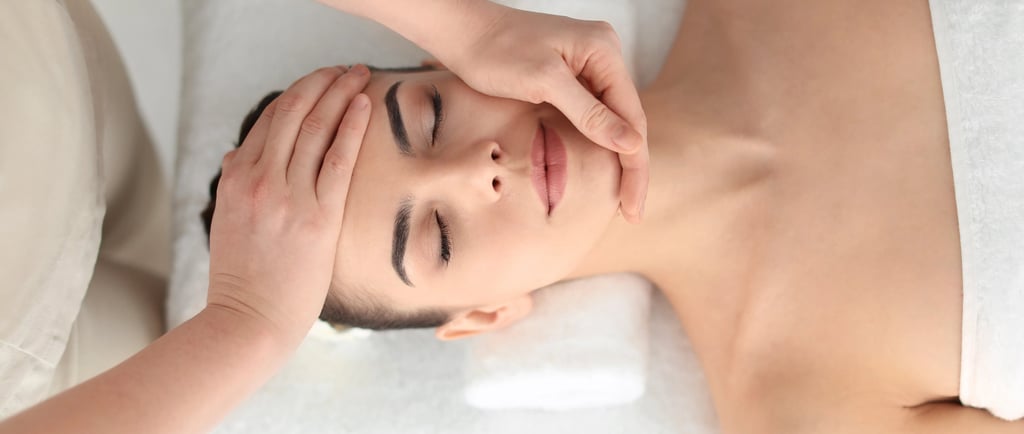
Stress can build up quickly from work, daily responsibilities, and long hours spent in front of screens. One of the easiest and most effective ways to relax at home is through a simple head massage. This soothing self-care practice helps calm the mind, ease tension, and promote overall well-being without requiring any special equipment.
Whether you have just a few minutes or want to create a relaxing evening ritual, learning how to do a head massage at home can help you feel refreshed and recharged.
Benefits of Head Massage for Stress Relief
A head massage offers several wellness benefits, including:
Reducing stress and mental fatigue
Relaxing the scalp, neck, and shoulder muscles
Improving blood circulation
Promoting a sense of calm and relaxation
Supporting better sleep quality
Helping relieve tension headaches
Regular head massages can become a valuable part of your self-care routine.
Create a Relaxing Environment
Before starting, find a quiet and comfortable space where you can relax without distractions.
To enhance the experience:
Sit comfortably in a chair or on a bed
Dim the lights if possible
Play soft, calming music
Use a small amount of nourishing hair oil if desired
A peaceful environment helps maximize relaxation.
Relax Your Shoulders and Neck
Stress often accumulates in the neck and shoulders before affecting the scalp.
Use your fingertips to gently massage:
The sides of your neck
The base of your skull
Your shoulder muscles
Spend about 1–2 minutes loosening these areas before moving to the scalp.
Use Gentle Circular Movements
Place your fingertips on your scalp and begin making slow, circular motions.
Focus on:
The top of the head
The sides of the scalp
The back of the head
Apply gentle to moderate pressure without scratching the skin. Continue for several minutes while breathing slowly and comfortably.
Massage the Temples
The temples are common areas where tension builds up.
Using your fingertips:
Apply light pressure to both temples
Move in small circular motions
Continue for 30–60 seconds
This can help relieve mental fatigue and promote relaxation.
Focus on the Crown Area
The crown of the head often feels tight during stressful periods.
Using your fingertips:
Massage the center of your scalp
Move outward in circular motions
Cover the entire scalp gradually
This helps stimulate circulation and relax scalp muscles.
Gently Massage the Forehead
Place your fingertips above your eyebrows and slowly move outward toward your temples.
This technique can help ease forehead tension and reduce stress-related tightness.
Optional: Use Warm Oil
If you enjoy oil massages, apply a small amount of warm oil to the scalp before massaging.
Common choices include:
Coconut oil
Almond oil
Sesame oil
Oil can help nourish the scalp while making the massage feel more soothing.
How Long Should a Head Massage Last?
A simple home head massage can last anywhere from:
5–10 minutes for quick relaxation
15–20 minutes for deeper stress relief
Even a few minutes can help reduce tension and improve your mood.
Tips for Best Results
Use gentle pressure rather than aggressive rubbing
Breathe slowly throughout the massage
Stay hydrated afterward
Practice regularly for ongoing stress management
Combine with relaxation techniques such as meditation or deep breathing
Conclusion
A head massage is one of the simplest and most effective ways to reduce stress naturally at home. By taking just a few minutes to massage your scalp, temples, neck, and shoulders, you can help relax your body, calm your mind, and improve your overall sense of well-being.
Making head massage a regular part of your self-care routine can provide lasting benefits for relaxation, stress relief, and everyday wellness.