"Escape the Everyday From Stress"

How to Incorporate Thai Massage into Your Wellness Routine
Learn how to incorporate Thai massage into your wellness routine for better flexibility, stress relief, improved circulation, and lasting mind–body balance. Discover simple tips to make it a consistent self-care habit.
2/16/20262 min read
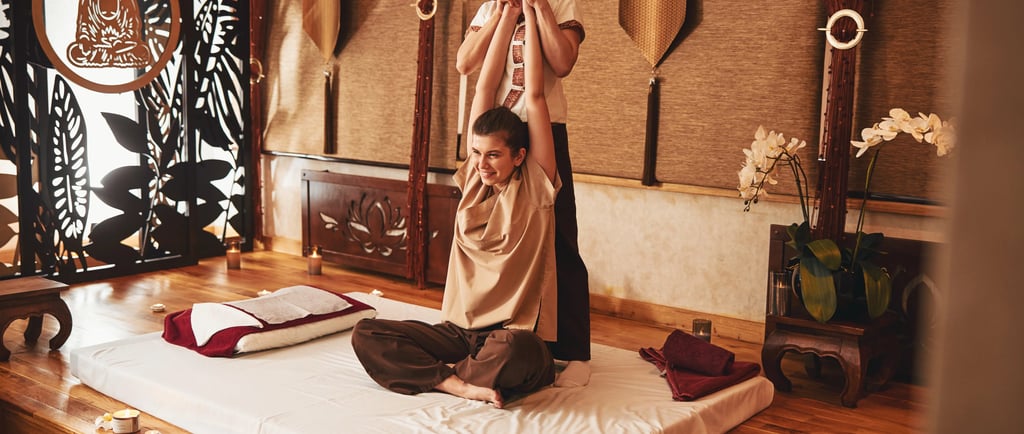
Thai massage is a traditional healing therapy known for its combination of assisted stretching, rhythmic pressure, and mindful movement. Unlike oil-based massages, Thai massage is typically performed on a mat with comfortable clothing, focusing on improving flexibility, circulation, and energy flow. When incorporated regularly into your wellness routine, Thai massage can support both physical vitality and mental clarity.
Understand the Unique Benefits of Thai Massage
Before adding Thai massage to your routine, it helps to understand how it works. This therapy blends gentle pressure along energy lines with yoga-like stretches that help release tension and improve mobility. It can reduce muscle stiffness, improve posture, and support overall relaxation. Many people also find that it enhances focus and reduces mental fatigue.
Decide Your Wellness Goal
Incorporating Thai massage effectively begins with identifying your goal. If you are looking to improve flexibility and mobility, scheduling sessions once a week can help maintain muscle elasticity. If your goal is stress reduction and relaxation, biweekly sessions may be sufficient. Understanding your intention helps create a consistent and realistic routine.
Start with Professional Sessions
For beginners, starting with professional Thai massage sessions is recommended. A trained therapist understands how to apply appropriate pressure and guide safe stretches according to your comfort level. This ensures that your body adapts gradually and benefits fully from the therapy.
Combine Thai Massage with Light Physical Activity
Thai massage works well alongside activities like yoga, walking, or light strength training. The stretching techniques enhance flexibility, making physical activity feel easier and more comfortable. Scheduling a massage after intense physical activity can also support muscle recovery and reduce stiffness.
Use It as a Stress-Relief Reset
If your schedule feels overwhelming, Thai massage can act as a mental reset. The rhythmic pressure and assisted stretches help calm the nervous system and release stored tension. Including a session during high-stress periods can prevent burnout and restore emotional balance.
Maintain Consistency Without Overdoing It
Like any wellness practice, balance is important. One session every one to two weeks is ideal for most people. Over-scheduling is not necessary to experience benefits. Regular, moderate sessions help maintain long-term flexibility, energy flow, and relaxation.
Support Your Routine with Home Stretching
Between professional sessions, you can maintain the benefits by practicing gentle stretching at home. Deep breathing exercises and mindful movements can help sustain flexibility and relaxation. While home stretching does not replace professional therapy, it complements the effects of Thai massage.
Listen to Your Body
Each person responds differently to Thai massage. Some may feel energized after a session, while others feel deeply relaxed. Pay attention to how your body reacts and adjust your schedule accordingly. Comfort and balance should guide your routine.
Making Thai Massage a Long-Term Wellness Habit
Thai massage is more than occasional relaxation. When included thoughtfully in your wellness routine, it can improve mobility, reduce stress, and support overall vitality. By combining professional sessions with mindful self-care practices, you create a sustainable approach to maintaining both physical and mental well-being.