"Escape the Everyday From Stress"

Thai Massage at Home: Self-Care Tips and What You Need to Know
Try Thai massage at home with simple self-care tips. Learn techniques to relieve stress, improve flexibility, and relax your body anytime with this easy wellness guide.
4/1/20262 min read
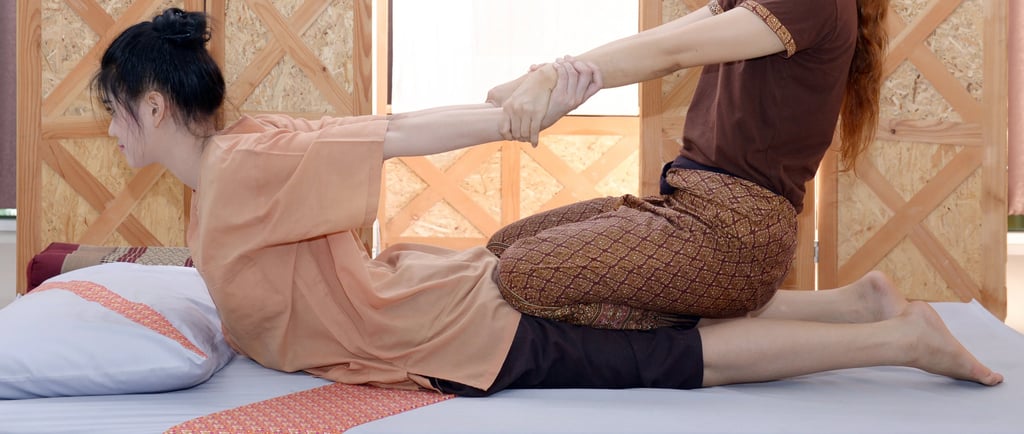
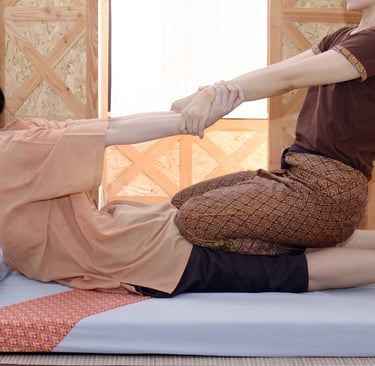
Thai massage is a powerful therapy known for its combination of stretching, pressure techniques, and rhythmic movements that help relax the body and refresh the mind. While it is traditionally performed by trained therapists, you can still enjoy many of its benefits at home with simple self-care practices. With the right approach, Thai-inspired techniques can become a valuable part of your wellness routine.
Understanding Thai Massage Basics
Thai massage focuses on improving flexibility, releasing muscle tension, and promoting energy flow throughout the body. Unlike oil-based massages, it is usually performed without oils and involves gentle stretching along with pressure applied to specific points. When adapted for home use, these techniques become simpler and more focused on comfort and relaxation.
Creating a Comfortable Space at Home
A calm and comfortable environment is essential for any self-care routine. Choose a quiet space where you can stretch freely. Using a yoga mat or a soft surface can help support your body during movements. Keeping the space clean and peaceful allows your mind to relax more easily.
Simple Self-Massage Techniques
At home, Thai-inspired self-massage can include applying gentle pressure to areas like the shoulders, neck, and legs. Using your hands, you can press and release tight spots slowly to ease tension. Light stretching of the arms, back, and legs can also help improve flexibility and reduce stiffness.
The key is to move slowly and avoid any forceful movements. Comfort should always come first.
Gentle Stretching for Flexibility
Stretching is a core part of Thai massage. Simple stretches such as reaching your arms overhead, gently twisting your torso, or stretching your legs can help release tension. These movements improve mobility and make the body feel lighter and more relaxed.
Practicing these stretches regularly can help maintain flexibility and prevent stiffness.
Focusing on Breath and Relaxation
Breathing plays an important role in Thai massage. Slow, deep breathing helps the body relax and allows muscles to release tension more easily. As you stretch or apply pressure, focus on steady breathing to enhance the calming effect.
This mindful approach helps reduce stress and improves overall relaxation.
Knowing Your Limits
While self-care at home can be beneficial, it is important to listen to your body. Avoid applying too much pressure or pushing your body into uncomfortable stretches. If you experience pain or discomfort, stop immediately and adjust your technique.
Professional Thai massage sessions are still recommended for deeper and more advanced therapy.
Supporting Your Routine with Consistency
Practicing Thai-inspired self-care regularly can help maintain relaxation and flexibility. Even spending a few minutes each day on stretching and gentle pressure techniques can make a noticeable difference over time.
Consistency helps the body stay balanced and reduces the buildup of stress and tension.
A Simple Way to Stay Relaxed at Home
Thai massage at home offers a convenient way to care for your body and mind. While it may not fully replace a professional session, it provides a practical way to relax, improve flexibility, and reduce stress in your daily routine. By creating a calm space and practicing simple techniques, you can enjoy the benefits of Thai massage anytime you need it.