"Escape the Everyday From Stress"

The Complete Guide to Ayurvedic Self-Massage (Abhyanga at Home)
The complete guide to Ayurvedic self-massage (Abhyanga at home), covering benefits, techniques, oils, and how it supports natural wellness.
1/29/20262 min read
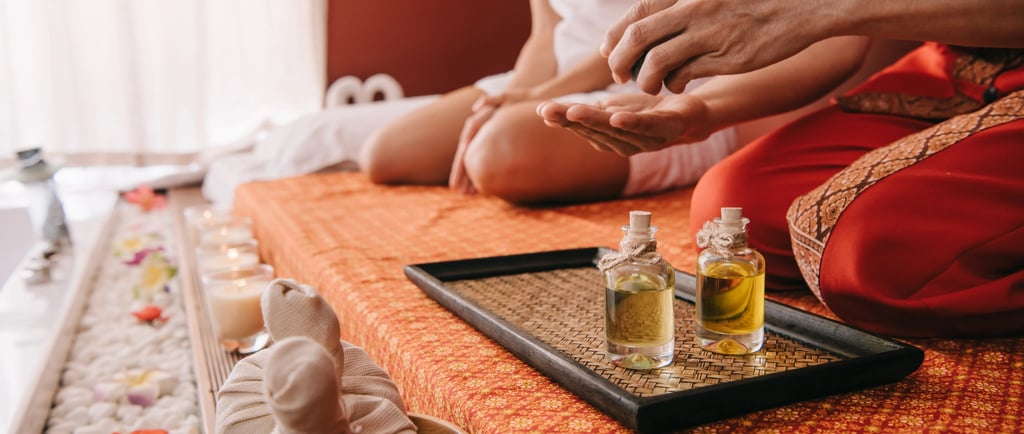
Ayurvedic self-massage, known as Abhyanga, is a traditional wellness practice that uses warm herbal oils to nourish the body and calm the mind. Rooted in ancient Ayurveda, this daily ritual supports physical balance, mental clarity, and long-term health. Abhyanga at home is simple to practice and highly effective when done consistently, making it an ideal self-care routine for modern lifestyles.
Understanding Abhyanga in Ayurveda
Abhyanga is a full-body oil massage designed to balance the body’s natural energies. In Ayurveda, the body is governed by three doshas—Vata, Pitta, and Kapha—and Abhyanga helps maintain harmony among them. The warm oil penetrates deep into the tissues, supporting circulation, joint health, and nervous system balance while protecting the body from stress and fatigue.
Why Abhyanga Is an Essential Daily Ritual
Ayurveda considers Abhyanga a preventive therapy rather than a luxury. Regular self-massage helps the body adapt to daily stress, environmental changes, and physical strain. By calming the nervous system and nourishing the skin and muscles, Abhyanga promotes overall resilience and well-being.
Benefits of Practicing Abhyanga at Home
Practicing Ayurvedic self-massage at home offers both immediate relaxation and long-term health benefits. The rhythmic movements and warm oil help release mental tension, improve sleep quality, and enhance energy levels. Over time, Abhyanga supports detoxification, improves digestion, strengthens immunity, and maintains joint flexibility.
Choosing the Right Oil for Abhyanga
Selecting the correct oil is an important part of Abhyanga. Ayurveda recommends natural herbal oils that suit your body type and current condition. Warm oils help soften tissues, improve circulation, and allow deeper absorption, making the massage more effective and nourishing.
How to Perform Abhyanga at Home
Abhyanga begins with gently warming the oil and applying it to the body using slow, mindful strokes. The massage typically starts from the head and moves downward, covering the entire body with steady, rhythmic movements. Allowing the oil to rest on the skin before bathing enhances absorption and maximizes the therapeutic effect.
Best Time to Practice Ayurvedic Self-Massage
Abhyanga can be practiced either in the morning before bathing or in the evening to unwind after a long day. Morning massage energizes the body and prepares the mind for daily activities, while evening massage helps release accumulated stress and supports restful sleep. Consistency is more important than duration for experiencing benefits.
Common Mistakes to Avoid During Abhyanga
For Abhyanga to be effective, it should never feel rushed or forceful. Using cold oil, applying uneven pressure, or skipping certain body areas can reduce the benefits. A calm environment and mindful approach ensure the massage remains deeply relaxing and therapeutic.
Difference Between Self-Abhyanga and Professional Therapy
While self-massage is beneficial for daily maintenance, professional Abhyanga therapy offers deeper healing. Trained therapists use specialized techniques, pressure control, and authentic herbal oils to stimulate energy points and improve detoxification. Spa treatments are especially helpful for chronic stress, body pain, and deep relaxation.
Experience Authentic Ayurvedic Abhyanga at Our Spa
Our spa offers traditional Ayurvedic Abhyanga therapy designed to restore balance and promote holistic wellness. Performed by experienced therapists in a serene environment, our treatments help you relax deeply, rejuvenate your body, and reconnect with your natural rhythm through the wisdom of Ayurveda.